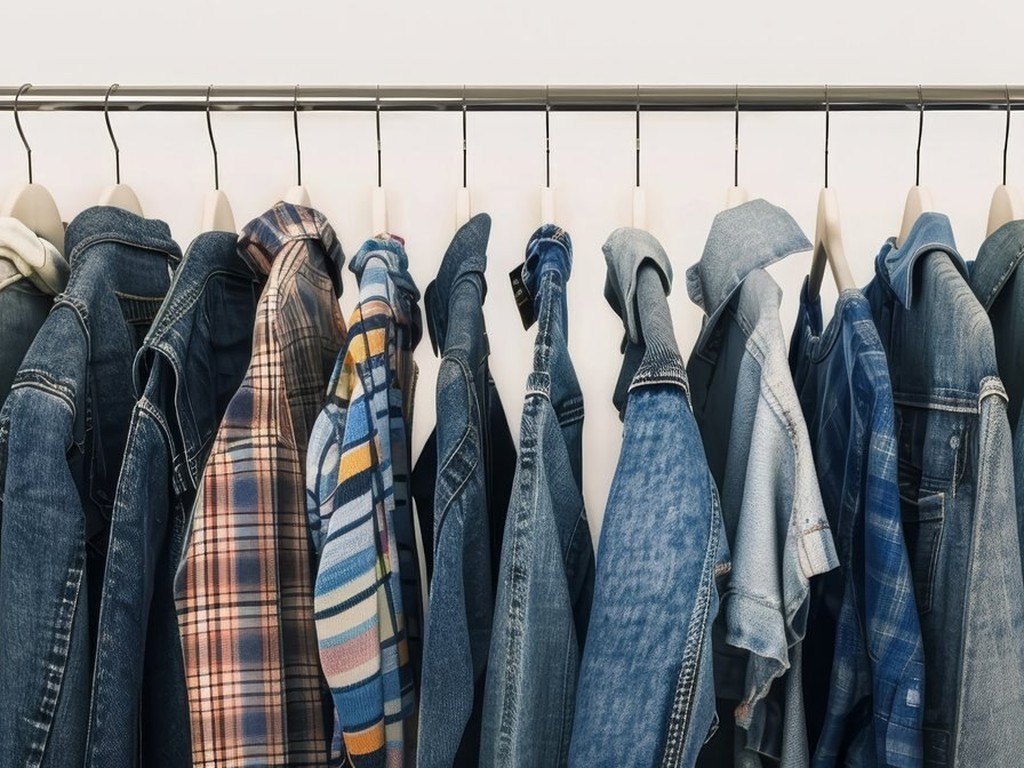
Small Style Upgrades That Make Any Outfit Feel More Put Together
Looking more put together rarely requires replacing an entire wardrobe. The difference often comes from a set of small, repeatable decisions: choosing clothes that fit at key points, removing visible wrinkles, coordinating colors with intention, and maintaining shoes and accessories. These adjustments make familiar pieces appear more purposeful, even when the outfit itself is simple.
Personal style does not need to follow a fixed formula. A polished result can include jeans and knitwear, a tailored suit, a flowing dress, or relaxed trousers and a T-shirt. The common thread is visual order. When proportion, condition, and practical details are considered, clothing looks like a deliberate choice rather than something assembled in a hurry.
Inserted copy:Thoughtfully chosen jewelry can complement a well-fitted outfit by adding a polished focal point without changing its proportions. Simple earrings, a fine chain, or a restrained ring often work best when the clothing already has a clean, balanced shape.
Begin With Fit at the Shoulders, Waist, and Hem
Fit has more influence on an outfit than labels, trends, or price. A well-made jacket that pulls across the shoulders or trousers that gather heavily at the ankle will still look awkward. Start with the areas that are difficult to alter. For jackets, shirts, and sweaters, the shoulder seam should sit near the natural edge of the shoulder, while the chest should allow comfortable movement without excess fabric billowing outward.
The waist creates shape in many garments, even in casual clothing. A shirt that is slightly too loose may look more intentional when tucked, half-tucked, or paired with a belt, while a blazer can often be adjusted by a tailor through the waist and side seams. Tailoring is especially useful for hems, sleeve length, trouser length, and moderate changes at the waist. These relatively straightforward alterations can improve garments that are otherwise close to fitting well.
Thoughtfully chosen jewelry can complement a well-fitted outfit by adding a polished focal point without changing its proportions. Simple earrings, a fine chain, or a restrained ring often work best when the clothing already has a clean, balanced shape.
Trouser hems deserve attention because they affect the entire silhouette. Pants that drag on the ground look untidy and wear out faster at the back, while excessively short hems can interrupt the line of the leg unless that cropped length is clearly intentional. Straight-leg and tailored trousers often look most balanced when they meet the shoe cleanly with little extra fabric pooling at the ankle.
Try on outfits while wearing the shoes normally paired with them. Heel height changes trouser length, and bulky sneakers can alter the balance of a skirt or wide-leg pant. Stand, sit, raise your arms, and walk a few steps before deciding that an item fits. Clothing should have enough ease to move with the body, not merely look acceptable while standing still.
Use Color and Texture to Create Visual Order
A limited color palette makes getting dressed easier because the pieces naturally relate to one another. Neutral shades such as black, navy, gray, cream, brown, olive, and denim blue can form a dependable base, then a stronger color can appear in a top, scarf, shoe, or bag. This does not mean every outfit must be neutral. It means colors should look connected rather than randomly added.
The three-color approach is a useful starting point for people who find color coordination difficult. One dominant color forms most of the outfit, a second color supports it, and a smaller accent adds contrast. For example, navy trousers and a navy coat can be paired with a cream knit and a burgundy bag. The burgundy has impact because it appears in a limited amount rather than competing with several other bright shades.
Texture can add depth when the colors are simple. A smooth cotton shirt with wool trousers, suede shoes, and a structured leather bag has visual variety without requiring a print. Combining textures is particularly helpful in monochromatic outfits, where different finishes prevent one color from appearing flat. Matte knits, crisp poplin, brushed wool, denim, linen, and leather each reflect light differently.
Prints work most reliably when the rest of the outfit gives them room. Pair a patterned blouse with solid trousers, or use a striped shirt beneath a plain jacket. If mixing patterns, vary their scale. A small check and wider stripe are easier to distinguish than two similarly sized busy prints. Repeating one color between the patterns can also make the combination feel coherent.
Treat Garment Condition as Part of the Outfit
Wrinkles can make excellent clothing appear neglected, particularly on collars, cuffs, trouser fronts, and the front of a shirt. An iron creates sharp creases when needed, while a garment steamer is useful for quickly relaxing wrinkles in shirts, dresses, knitwear, and many delicate fabrics. Check the care label before applying heat, and test a discreet section when working with unfamiliar material.
Lint, pet hair, and fabric pilling are more noticeable than many people expect. A lint roller can refresh dark outerwear, trousers, and knitwear in seconds. Pilling occurs when loose fibers tangle into small balls on the fabric surface, often at areas of friction such as underarms, sides, and sleeves. A fabric shaver or sweater comb can remove pills gently, though delicate knits should be handled slowly to avoid snagging the yarn.
Buttons, loose threads, and missing hooks deserve quick repairs. Snip loose threads close to the fabric rather than pulling them, which can damage a seam. A basic sewing kit with matching thread, needles, spare buttons, and safety pins solves many small issues at home. For a dropped hem, damaged zipper, or separated lining, a tailor can usually make a repair before the problem becomes more noticeable.
Clothing also benefits from proper storage. Fold heavy knitwear to prevent shoulder stretching, and use shaped hangers for jackets and shirts so they retain their form. Allow worn items to air before placing them back in a closet, particularly if they have absorbed moisture or fragrance. Regular care reduces the need for last-minute fixes and makes outfit selection more reliable.
Add Structure With Shoes, Belts, and Bags
Shoes anchor an outfit because they sit at its visual endpoint. Clean footwear can improve even casual clothing, while scuffed leather or dirty sneaker soles can weaken a carefully chosen look. Remove surface dirt after wearing shoes, use a suitable cleaner for the material, and repair worn heel caps or loose soles before they become uncomfortable. Rotating pairs also gives footwear time to dry between wears.
A belt is a small addition with a strong effect on proportion. It can define the waist of a dress, create a clean break between a shirt and trousers, or connect shoe color to the rest of an outfit. Leather belts usually look most cohesive when they relate to leather shoes in color family, though they do not need to match precisely. Simple hardware is more versatile than oversized buckles or prominent branding.
Bags should match the day’s practical needs and the clothing’s level of structure. A crisp blazer and tailored trousers often pair naturally with a structured tote or satchel, while a casual crossbody may suit denim and a relaxed overshirt. Empty receipts, old packaging, and loose cords can make a bag heavy and difficult to use, so a quick weekly reset helps maintain both function and appearance.
Choose Accessories With a Clear Purpose
Jewelry, watches, scarves, hats, and eyewear can give an outfit character, but a few purposeful pieces usually work better than many unrelated ones. Select a focal point. A bold earring might be paired with a bare neckline and a quiet bracelet, while a patterned scarf can become the statement with simple studs and a neutral bag. This approach creates emphasis without making an outfit feel crowded.
Metal finishes provide an easy way to build continuity. Silver-toned jewelry, a silver watch, and cool-toned hardware can create a crisp effect with gray, black, navy, and blue. Gold-toned pieces often complement warm neutrals, earthy colors, and rich reds. Exact matching is unnecessary, but limiting the number of competing finishes helps accessories look like part of the same outfit.
Practical accessories deserve the same consideration as decorative ones. Sunglasses should be clean and suited to the face, while a simple watch can add structure and reduce the need to check a phone repeatedly. A compact umbrella, lint roller, stain-removal wipe, and spare hair tie can solve small problems before they change the appearance of an outfit during the day.
Finish With a Consistent Personal Routine
The most effective style upgrades are habits that fit easily into a normal schedule. Check fit when buying clothing, maintain a small palette of colors that work together, and allow five extra minutes to steam a shirt or clean shoes before leaving. These actions are more useful than pursuing every new trend because they improve nearly every outfit already in the closet.
A brief final check in natural light can reveal details that indoor mirrors miss: lint on dark fabric, a twisted strap, a visible tag, a shirt hem sitting unevenly, or a shoe that needs a quick wipe. With fit, condition, proportion, and a few well-chosen accessories working together, everyday clothing gains the calm, finished quality that makes a person feel ready for the day.